Published
Mar 1, 2026
Written by Sonia Summers
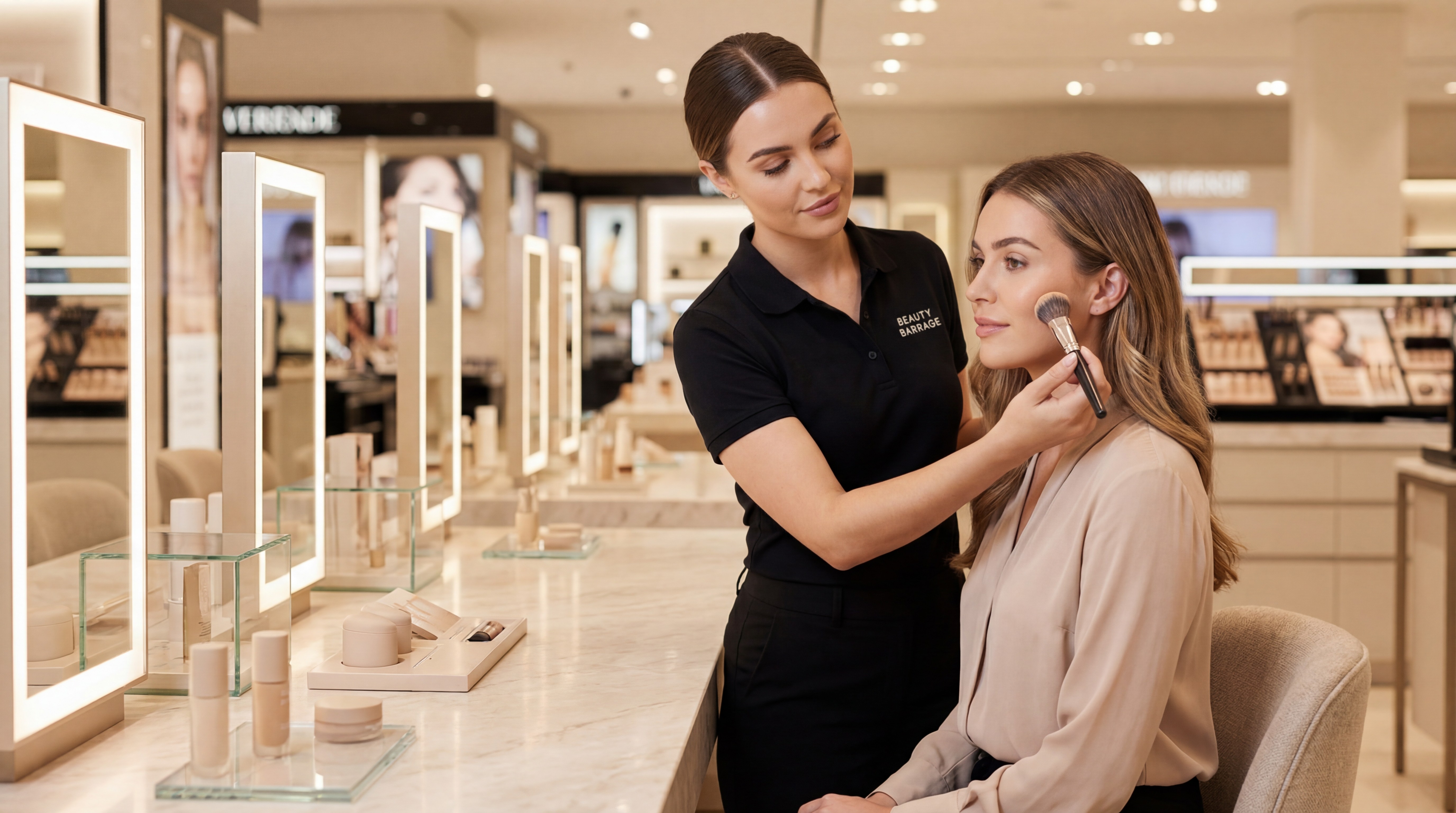
Department stores are not failing because consumers stopped shopping.
They’re struggling because they stopped leading.
For decades, department stores defined taste. They introduced emerging designers, elevated prestige beauty brands, and acted as cultural authorities. They edited the market for their customers.
Then came expansion.
More brands.
More square footage.
More promotions.
More sameness.
In the process, they traded authority for volume.
In today’s retail landscape — where nearly any product can be delivered within 24 hours — distribution is no longer competitive advantage.
Conviction is.
And the future of department stores will belong to those who reclaim it.
Why Department Stores Are Struggling in 2026
Consumers didn’t abandon retail.
They abandoned mediocrity.
Ecommerce now owns convenience. Marketplaces own abundance. Algorithms own infinite choice.
What physical retail must own is perspective.
When a retailer loses its point of view, it loses its relevance.
After building brands inside national retail systems — from live television to large-scale experiential store activations — one pattern remains consistent:
Retail without clarity becomes noise.
The next era of retail strategy will not reward scale alone. It will reward clarity, discipline, and authority.
Retail Trend #1: Curation Is the New Competitive Advantage
Abundance is no longer impressive.
Editing is.
Consumers do not need more options — they need trusted filters. They want retailers willing to say: this matters.
The future department store must operate less like a distributor and more like a cultural curator.
That means:
Limited-edition capsules
Exclusive designer collaborations
Numbered product drops
Specialty beauty bundles
Rotating, tightly edited assortments
Seasonal micro-collections
Scarcity creates anticipation.
Editing creates authority.
Authority creates traffic.
For beauty retail especially, assortment discipline drives performance. A tightly merchandised, expertly supported brand lineup will outperform an overcrowded wall of undifferentiated SKUs every time.
The store should feel like a gallery — not a database.
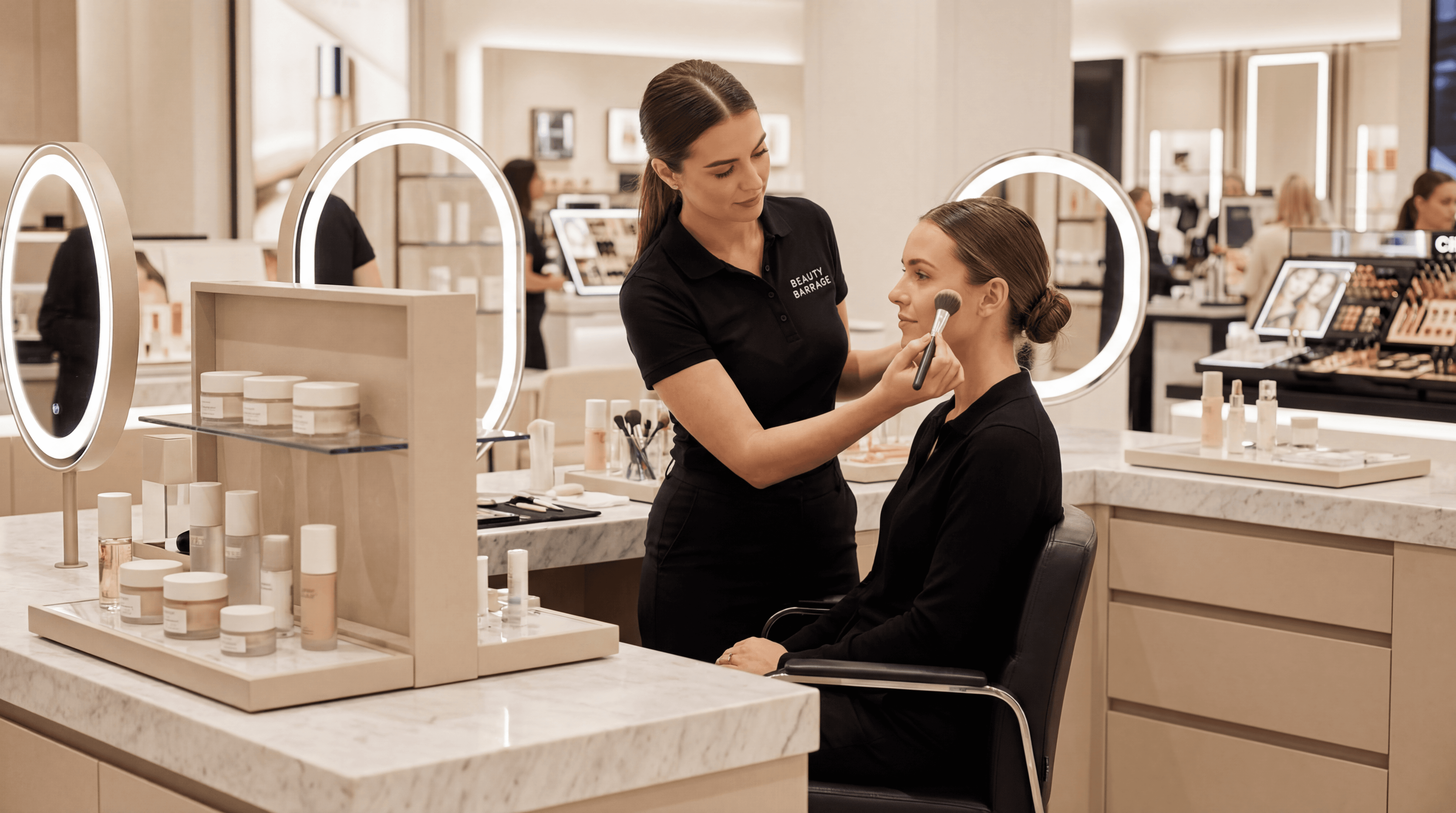
Retail Trend #2: Experiential Retail Must Replace Passive Shopping
Physical retail cannot compete with ecommerce on convenience.
It must compete on energy.
The future department store will function as a cultural venue — where fashion, beauty, design, and creative leadership intersect.
This is where experiential retail strategy becomes infrastructure — not decoration.
Programming should include:
Capsule launch events
Founder and formulator meet-and-greets
Masterclasses with makeup artists
Stylist-led wardrobe edits
Fragrance discovery salons
Dermatologist-led skincare education
Designer residencies
These are not “store events.”
They are cultural moments that drive:
Foot traffic
Social amplification
Conversion
Clienteling
Loyalty
Retail must once again feel like something is happening.
Energy is the differentiator ecommerce cannot replicate.
Retail Trend #3: Service Must Become Infrastructure
Luxury pricing demands luxury hospitality.
Yet service inconsistency remains one of the most visible weaknesses in department stores today.
Undertrained associates cannot support premium positioning.
The next era of retail transformation requires moving from:
“friendly associate” → “trusted advisor”
This requires:
Formal certification programs
Deep brand and product education
Appointment-based shopping models
Measurable service KPIs
Ongoing training and immersion
In beauty retail, education drives conversion. Expertise builds trust. Trust drives repeat purchase.
The most urgent retail transformation may not be digital.
It may be human.
The Department Store Reset: From Distribution to Authority
Retail is not dying.
Mediocrity is.
Department stores don’t need saving — they need redefining.
The retailers that win the next decade will:
Edit ruthlessly
Execute consistently
Elevate service standards
Invest in experiential retail
Operate with cultural authority
The question is no longer whether department stores can survive.
The question is whether they are willing to evolve.
Because consumers already have.
What This Means for Beauty Brands
For beauty brands navigating retail partnerships, the shift is equally important.
The future belongs to brands that:
Align with curated environments
Invest in experiential execution
Support in-store education
Treat physical retail as a performance channel — not just distribution
Authority is built at shelf level — but it is executed through people, programming, and precision.
And execution is where differentiation lives.
Frequently Asked Questions About the Future of Department Stores
Why are department stores struggling?
Department stores are losing market share because they prioritized expansion and promotions over authority and curation. Consumers now expect perspective, service, and experience — not just product availability.
How can department stores compete with ecommerce?
They must compete on experiential retail, service expertise, exclusive assortments, and cultural programming — areas where digital cannot replicate physical energy.
What is experiential retail?
Experiential retail refers to immersive, event-driven, education-based in-store strategies that drive engagement, loyalty, and social amplification beyond simple transactions.
What retail trends will define the next decade?
Curation, limited-edition drops, service infrastructure, experiential programming, and authority-led merchandising will define the future of luxury and beauty retail.
—
Final Word
The future of department stores will not be defined by who carries the most brands.
It will be defined by who leads with the strongest point of view.
Authority is the new scale.
And the retailers willing to execute with discipline will define the next era of beauty and luxury retail.