Published
Jan 20, 2026
Written by Sonia Summers
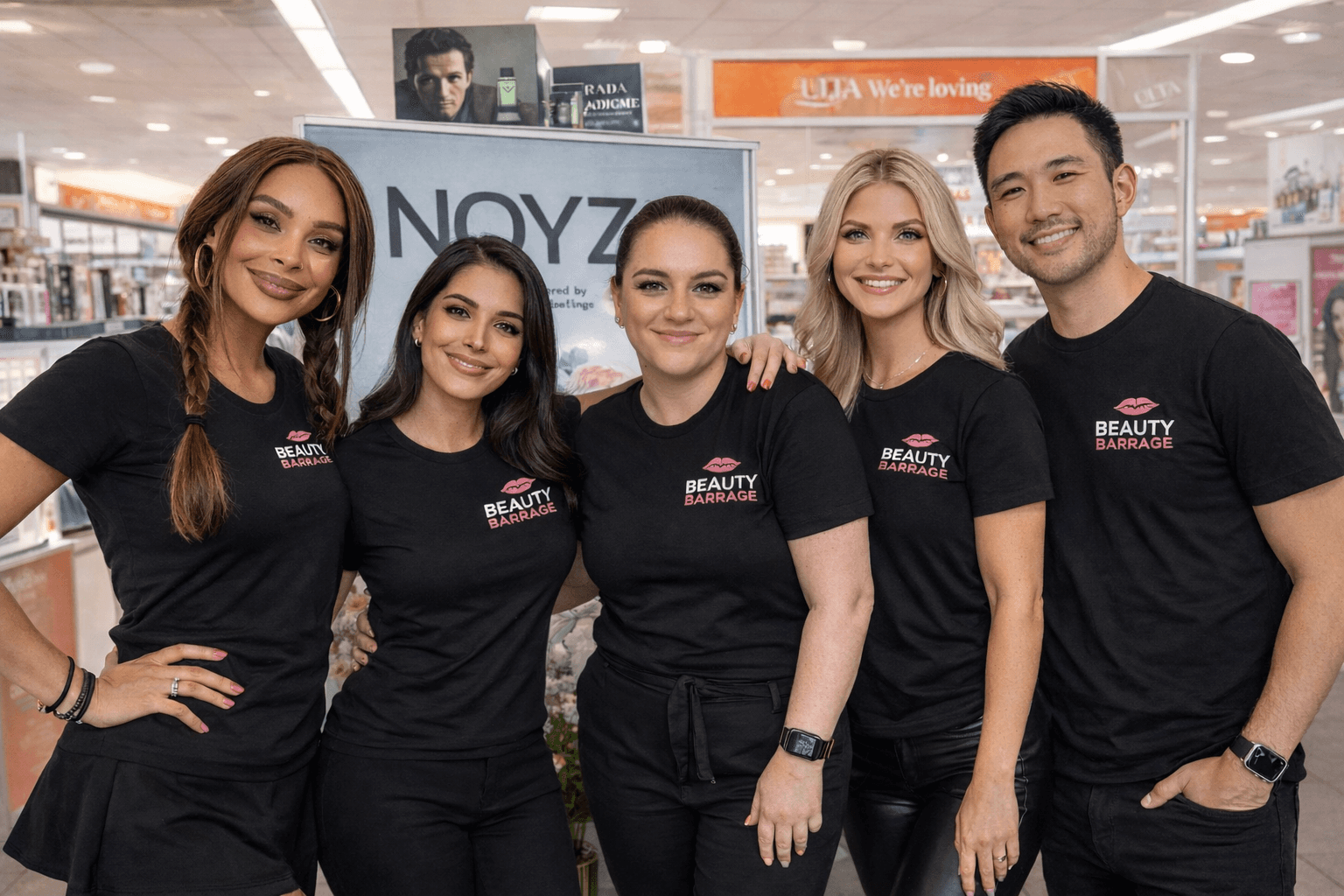
Retail in 2026 Feels Like a Balancing Act
It’s no longer enough to have a beautiful store or a polished online presence. The brands earning attention—and repeat customers—are the ones building a seamless system where real-world experience and digital intelligence work together. Not as separate channels. But as one ecosystem. Because here’s what’s true at the same time:
Physical retail still drives the majority of sales
Digital discovery now begins earlier—and increasingly happens through AI
That shift is changing everything.
Retail Stores Aren’t Just Stores Anymore — They’re Community Hubs
The strongest retail concepts in 2026 aren’t focused on more shelves. They’re focused on more connection. Instead of traditional shopping floors, leading retailers are turning their spaces into community hubs—places where customers come to participate, learn, and explore. These stores aren’t passive storefronts.
They’re environments designed to create a feeling:
Education that makes shoppers feel confident
Experiences that make them feel included
Discovery that makes them feel inspired
Because loyalty isn’t built through transactions—it’s built through how the brand makes someone feel.
Experiential Retail Is Winning Because It’s Human
In-store activations are evolving from “nice extras” to a core strategy. Brands are leaning into:
Events and pop-ups
Education sessions and tutorials
Immersive product moments that make the experience memorable
This is what experiential retail really means:
People remember the emotion, not the merchandising plan. And emotion is what turns a one-time shopper into a repeat customer.
The Other Half of the 2026 Retail Strategy: AI-Assisted Discovery
Now for the other side of the balancing act. AI isn’t just automation—it’s reshaping how shoppers find products before they ever step into a store.
Today’s shoppers rely on discovery through:
Search and recommendations
Content platforms and social
And increasingly, AI assistants and agents that surface products based on intent and conversation
That means brands are now speaking to two audiences at once:
Humans who want a real, grounded experience
AI systems that decide what gets surfaced, referenced, and recommended
If your product content isn’t built for discoverability, you can end up invisible—even if your product is exceptional.
Content Now Has to Work for People and Machines
Here’s the strategy shift brands can’t ignore:
In-store must be authentic, community-oriented, and human-centric
Digital presence must be AI-optimized, structured, and context-rich
Content must serve both humans and discovery systems simultaneously
In other words: It’s not enough to invest in experiential retail alone. Retailers must also think about how their website content—product descriptions, imagery, FAQs, structured data, and metadata—feeds the AI ecosystems shaping modern discovery.
What This Means for Beauty Brands in 2026
In beauty, this shift is both an opportunity and an urgency. A brand’s in-store moment might win someone’s heart. But the digital story needs to be compelling enough to enter the consideration set in the first place. That’s why forward-thinking retailers are redefining how product content is built.
They’re developing narratives that:
Resonate emotionally with people
Communicate benefits clearly
Provide the signals AI needs to categorize and recommend intelligently
It’s a new kind of content strategy—one that blends storytelling with structure.
The 2026 Retail Balancing Act: Don’t Choose — Design the Flow
The goal isn’t to pick physical or digital. The goal is to design a flow between them.
The brands breaking through in 2026 are building ecosystems where:
Digital signals inform in-store action
Human expertise elevates machine intelligence
Experience in one channel improves experience in the other
Discovery, decision, and delight are no longer linear. They’re connected.
Retail in 2026 Isn’t a Tech Story — It’s a People Story
At its core, the shift happening in retail isn’t about technology. It’s about people. People still want experiences that feel real, human, and grounded. And they also want relevance that feels fast, precise, and intelligent. The brands that respect both—and design with intention—will define retail in 2026.
— Sonia S.