Published
Jan 22, 2026
Written by Sonia Summers
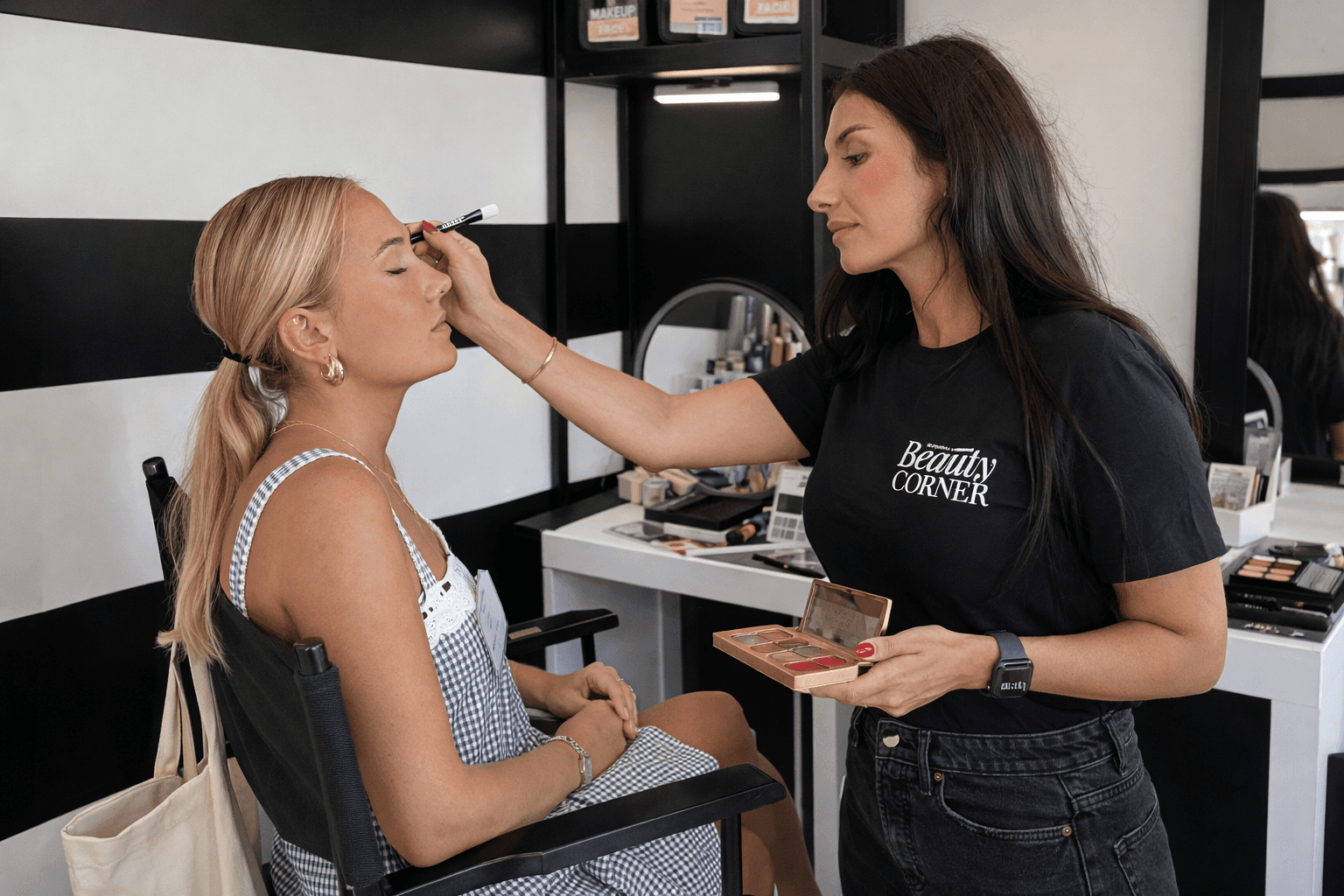
Retail in 2026 feels like a balancing act.
It’s no longer enough to have a beautiful store or a strong online presence. The brands earning real attention—and lasting loyalty—are weaving real-world experience and digital intelligence into one connected strategy. Because shoppers aren’t moving in a straight line anymore. They’re discovering products through conversations, content, recommendations, and increasingly, AI-assisted search—then choosing the brands that feel most trustworthy when it matters.
Physical Retail Still Leads—But Stores Are Changing
Even as e-commerce evolves, physical retail remains a dominant driver of sales. But the role of the store is shifting. The most forward-thinking retailers aren’t designing spaces like traditional shopping floors. They’re building community hubs—places that create connection and give people a reason to return.
These aren’t passive storefronts. They’re environments where brands invite:
Participation
Education
Discovery
Human connection
And those are things online-only experiences struggle to replicate.
Experiential Retail Is the First Half of the 2026 Strategy
The first half of the balancing act is simple—and powerful: elevate the in-store experience beyond the transaction.
That’s why brands are investing in:
Events and pop-ups that create energy
Education sessions that build confidence
Immersive activations that feel memorable, not staged
Because what shoppers remember most isn’t the display. It’s how the brand made them feel. And in retail, that feeling becomes loyalty.

The Other Half: AI-Assisted Discovery and Digital Relevance
The second half of the equation is just as important: being discoverable in an AI-driven world. AI isn’t only about automation. It’s changing how people find products before they ever walk into a store.
Shoppers still use search and recommendations—but now they’re increasingly relying on:
AI assistants
AI agents
Conversational discovery tools
These systems surface products based on context, intent, and relevance—not just keyword matching. That creates a new risk for brands: if your digital presence lacks rich, structured, human-readable content, your product can become effectively invisible to these discovery systems—even if it’s exceptional.
Your Brand Now Has Two Audiences
Retail now has a dual audience:
Human shoppers looking for real experience and trust
AI discovery systems shaping what gets seen, suggested, and compared
This shift forces a new kind of strategy:
In-store must be authentic, human-centric, and community-driven
Digital presence must be AI-optimized, data-rich, and contextual
Content must work for people and machines at the same time
This means you can’t only invest in experiential pop-ups or in-person education.
You also have to think about how your digital ecosystem feeds discovery—through your:
Product pages
Imagery
Descriptions
FAQs
Metadata and structured information
Because that’s what AI systems pull from when deciding what to recommend.
Why Beauty Brands Should Pay Attention Right Now
In beauty, the opportunity is huge—and the urgency is real.
Your in-store moment may win someone’s heart. But your digital story has to be compelling enough to enter the consideration set in the first place.
That’s why some retailers are redefining product content development—building narratives that resonate with humans and signal relevance to AI discovery tools at the same time.
The 2026 Retail Balancing Act Isn’t Either/Or—It’s Flow
Retail success in 2026 isn’t about choosing physical or digital. It’s about designing the flow between them. Not, "a beautiful store" plus "some social content."
But a connected ecosystem where:
Digital signals inform in-store strategy
Human expertise improves machine understanding
Customer experience in one channel enhances the other
This is where brands break through—because discovery, decision, and delight are no longer linear.
Retail in 2026 Isn’t a Tech Story—It’s a People Story
At its core, this shift isn’t really about technology. It’s a people story. People still want experiences that feel real and grounded. And they want relevance that’s fast, precise, and intelligent. The brands that respect both—and design with intention—will define retail in 2026.
— Sonia S.